
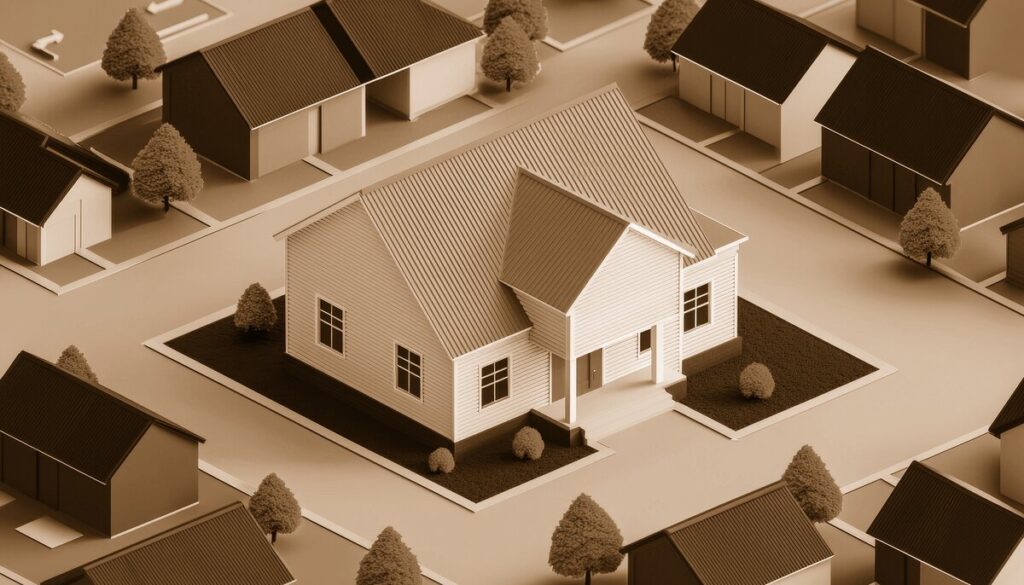
Discovering the Origins of Moreland Commons
Nestled in the picturesque landscape of Moreland Hills, Ohio, the Moreland Commons neighborhood is a testament to the area’s enduring charm and rich heritage. Though modest in footprint, its story is deeply interwoven with the tale of Moreland Hills itself — a narrative rooted in the Native American trails, pioneering homesteads, and the enduring spirit of community that defines this beloved enclave today.
Moreland Commons arose from farmland, rolling woodlands, and the dreams of families seeking both tranquility and connection. The original expanse that would one day become this neighborhood was dotted with mature maple, oak, and hickory growth, part of the lush Chagrin Valley ecosystem. In the late 1800s and early 1900s, as Cleveland’s outskirts beckoned for more space, new residents began to settle here, drawn by the area’s rural beauty and accessibility.
The Story Behind the Name
The name “Moreland Commons” evokes both history and vision. “Moreland” pays homage to the original Moreland Township, organized in 1820. This broader region once spanned significant portions of what are now Moreland Hills, Hunting Valley, and part of Pepper Pike. The “Commons” reflects a tradition dating to colonial times, when patches of land were shared for agriculture, gathering, and community activity. Though the neighborhood is private today, the name still conjures images of a shared legacy and the spirit of neighborly cooperation.
Key Historical Milestones
From its inception, Moreland Commons has been closely tied to the greater development of Moreland Hills:
- Early Settlement: Pioneering families—many with English and Yankee roots—settled on large, wooded lots along what are now Chagrin Boulevard, SOM Center Road, and Easton Lane. Remnants of early stone foundations and barn footings can still sometimes be spotted beneath the neighborhood’s leafy canopy.
- Growth in the 20th Century: As urban sprawl reached Chagrin Valley, Moreland Commons emerged as a distinct subdivision in the postwar era, marked by thoughtfully planned streets like Commons Circle and Carriage Hill Drive. Developers designed these roads to complement the land’s gentle contours and existing tree stands, preserving the area's rural soul even as it welcomed a growing population.
- Modern Era: By the 1990s and early 2000s, Moreland Commons had cultivated a reputation for gracious living, thanks to well-kept homes, community green spaces, and its central location within Moreland Hills. Residents come for the first-rate school district and proximity to both the Chagrin River and the fine dining and boutique shopping in nearby Chagrin Falls.
Notable Landmarks and Buildings
While Moreland Commons is primarily a residential neighborhood, several notable sites and features infuse it with character:
- Commons Circle Green: At the heart of the neighborhood is a shared green — a modern echo of historic town commons. Here, towering trees shade walking paths where neighbors gather for seasonal events.
- Historic Farmsteads: Along Chagrin Boulevard and nearby streets, a handful of early-20th-century farmhouses can still be glimpsed, their classic pitched roofs and sturdy barns harkening back to Moreland Hills’ agrarian past.
- Proximity to Forest Ridge Preserve: Not far from Commons Circle, this lush metropark provides miles of walking and biking trails amid wildflowers and native woodlands. Though not technically within Moreland Commons’ borders, it’s a favorite destination for residents and a major part of daily life.
- Nearby Eastwood Elementary School: Just a short drive away, this school continues the neighborhood tradition of excellence in education and serves as a hub for community events and family life.
The Evolving Character of Moreland Commons
What truly makes Moreland Commons special is its capacity to evolve while honoring its roots. In many ways, the neighborhood is a microcosm of Moreland Hills as a whole — a place where past and present meet gracefully.
- Architectural Harmony: Homes in Moreland Commons display a tasteful blend of styles, from colonial-inspired brick houses to more contemporary designs, all set on generous lots. Local ordinances restrict overdevelopment, protecting the leafy feel and quiet streets which have defined the area for decades.
- Community Connections: Annual gatherings, like the summer picnic on the Commons Green or winter luminaria walks, foster a sense of friendship and belonging. Residents often share stories of neighbors who have lived side by side for generations, maintaining a tradition of mutual support and stewardship that’s increasingly rare.
- Nature and Preservation: All around, the legacy of Moreland Commons’ original woodlands lives on, both in preserved stands of trees and in the neighborhood's commitment to green space. Community-led initiatives encourage native gardening, birdwatching, and responsible land use, keeping the link to the land alive for new generations.
A Neighborhood with Heart
Ask any resident what makes Moreland Commons unique, and you’ll hear about more than the beautiful homes or tree-lined streets. It’s about a deep sense of place — a feeling woven through the neighborhood’s history, reflected in its thoughtful planning, and nurtured by generations of Moreland Hills families.
Whether you’re strolling down Commons Circle on a golden autumn day, watching the sunrise from Forest Ridge trails, or greeting a neighbor beneath the shade of an ancient oak, you’re participating in the living story of Moreland Commons: a neighborhood rooted in tradition, thriving in community, and looking to the future with warmth and pride.